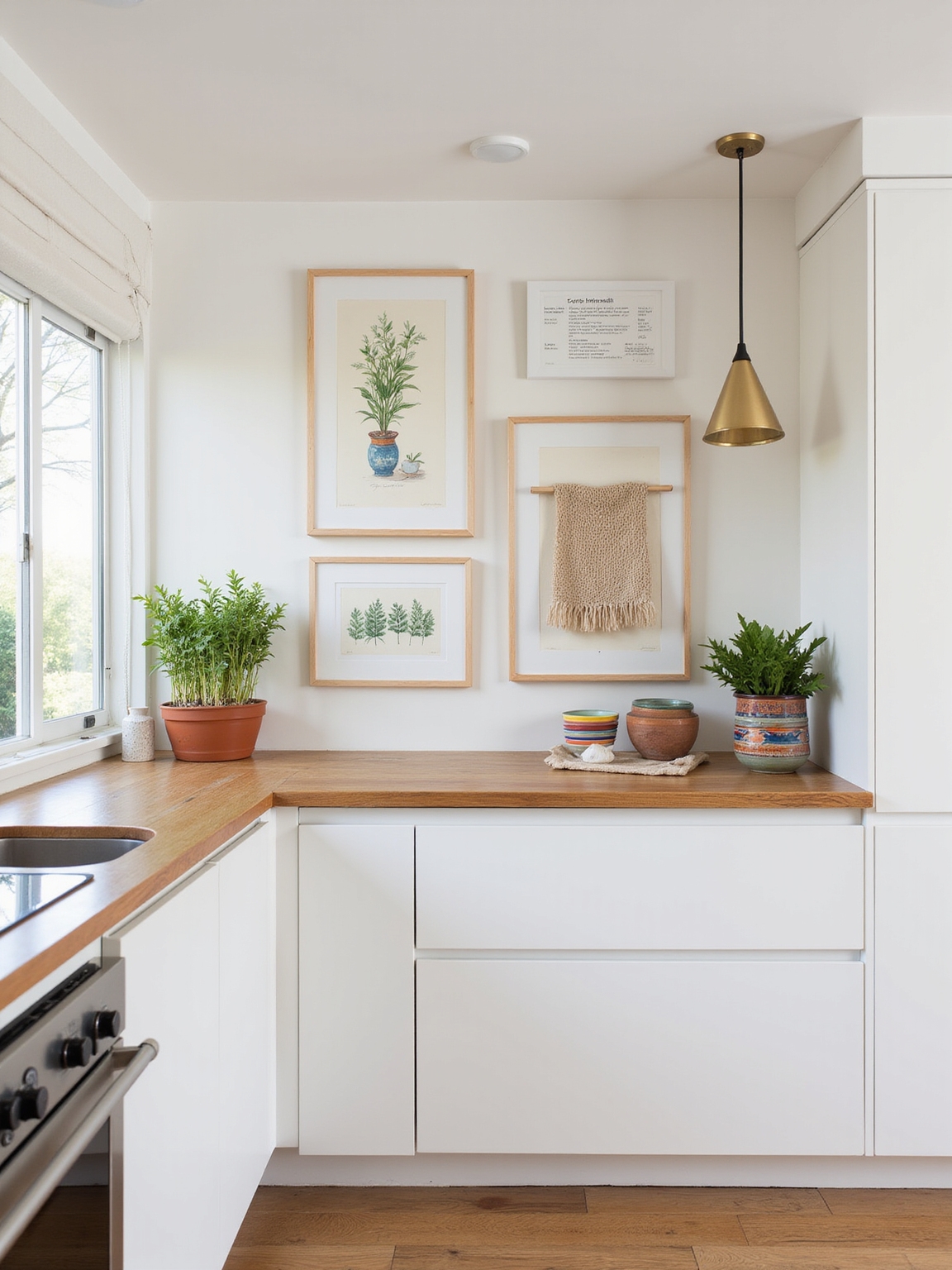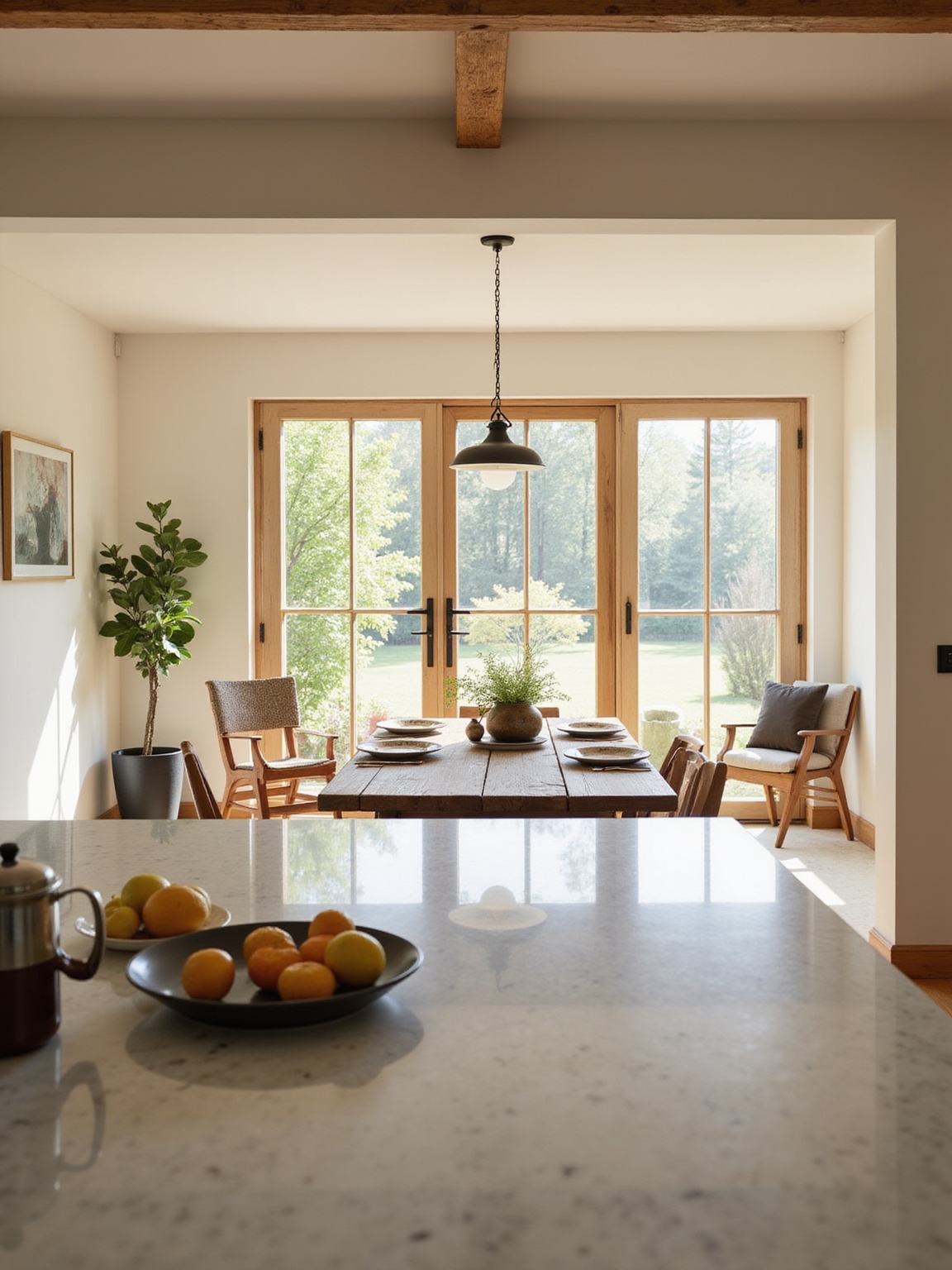


I organize my kitchen like a tiny restaurant: stations for prep, cooking, plating and cleaning so I never cross the room with dirty hands. I keep knives, cutting boards and mise en place trays at a dedicated prep zone, spices fronted near the stove, and a single-basin sink with scrub caddy for fast wash-and-go.
A mobile prep cart saves cramped rentals, labels and clear bins tame the pantry, and simple daily rituals keep it humming—stick around and I’ll show how to set each station up.
Set Up Workflow-Based Cooking Stations

When I organize my kitchen, I arrange it like a workshop: each station handles a specific phase of cooking so I don’t keep crossing the room with dirty hands.
I create prep, cooking, plating, and cleaning zones, keeping essential tools, pans, and spices at arm’s reach.
That way I move smoothly, save time, and keep the space cozy and functional.
I also use proven storage hacks like labeled containers and vertical shelving to keep everything accessible and tidy, creating efficient workflow throughout the kitchen.
Map Your Kitchen Flow: A Simple Work Triangle

I like to sketch a simple work triangle between my stove, sink, and fridge to see how water, prep, and heat should flow.
I measure the real distances rather than guessing, so I know whether the paths are comfortable or cramped.
Then I tweak the triangle for obstacles like islands, doors, or trash bins so each step feels natural.
Architects often apply smart layout principles to maximize flow and minimize wasted steps.
Work Triangle Basics
Because a kitchen should move as naturally as a conversation, I start every layout with the simple work triangle — stove, sink, and refrigerator — and imagine the steps I take while cooking.
I aim for clear sightlines, short, comfortable walks, and unobstructed counters between points. That gentle rhythm keeps prep, cooking, and cleanup flowing, making the room feel honest and welcoming.
Avoid costly layout mistakes by planning your triangle to minimize unnecessary traffic and ensure efficient movement, including principles like the work triangle to map your kitchen flow.
Measure Real Distances
Start by pacing the real paths you’ll take: I sketch the triangle on the floor and actually walk it, measuring the clear, usable distance between stove, sink, and fridge with a tape so nothing’s left to guess.
I note door swings, drawer reach, and preferred prep spots, then jot exact numbers.
Those measurements guide appliance placement and make cooking flow feel effortless and honest.
Architects often rely on proven space-saving layout tricks to keep kitchens efficient and uncluttered.
Adjust For Obstacles
When I map the triangle, I factor in every stubborn obstacle—door swings, corner cabinets, islands, and the little used pantry that nips at a clear path—so the stove, sink, and fridge still feel like a single working triangle.
I tweak positions, shift traffic, and make allowances:
- swing doors
- corner reach zones
- island clearance
- pantry pinch points
- appliance spacing
I also make specific adjustments for a peninsula layout to preserve workflow and clearance for the work triangle.
Prep Station Essentials for Fast Mise En Place

I keep a dedicated prep zone by the counter so everything I need is within reach and the rhythm of cooking stays steady.
I use mise en place trays to corral chopped veggies and measured spices, then label small containers and set timers so nothing gets forgotten.
This simple setup saves time and keeps the kitchen feeling calm and intentional.
Adding a few daily habits like wiping surfaces and returning tools after use reinforces everyday organization and makes maintaining the prep station effortless.
Dedicated Prep Zones
Although I love wandering through a well-stocked pantry, I rely on a dedicated prep zone to move quickly when I’m cooking; it keeps my knives, bowls, cutting boards, and mise en place within easy reach so I can focus on flavor, not rummaging.
I set a simple, tidy space with essentials:
- Sharp knives
- Sturdy cutting boards
- Nesting bowls
- Measuring spoons
- Trash bowl nearby
Smart tips like vertical racks and narrow pull-out organizers can help fit these tools into tight spaces while keeping them accessible — see narrow kitchen storage for ideas.
Mise En Place Trays
Usually I line up a few mise en place trays before I start cooking so everything has a home and I can grab what I need without breaking my rhythm.
Each tray holds grouped ingredients—herbs, aromatics, proteins—so my station stays tidy. Wooden trays feel comforting, metal ones stay cool.
They cut chaos, speed prep, and make cleanup simple, keeping my workflow calm and steady.
I also use innovative storage solutions to eliminate counter clutter and maintain a tidy kitchen.
Labeling And Timing
When I’m setting up my prep station, clear labels and a simple timing system are what keep the rhythm flowing — they tell me at a glance what’s ready, what needs to rest, and when to move on.
- Chalk tags for bowls
- Color-coded lids
- Sticky notes with times
- Small kitchen timer on loop
- Visual “ready/hold” tray markers
Cooking Station Layout: Pans, Tools, and Spices
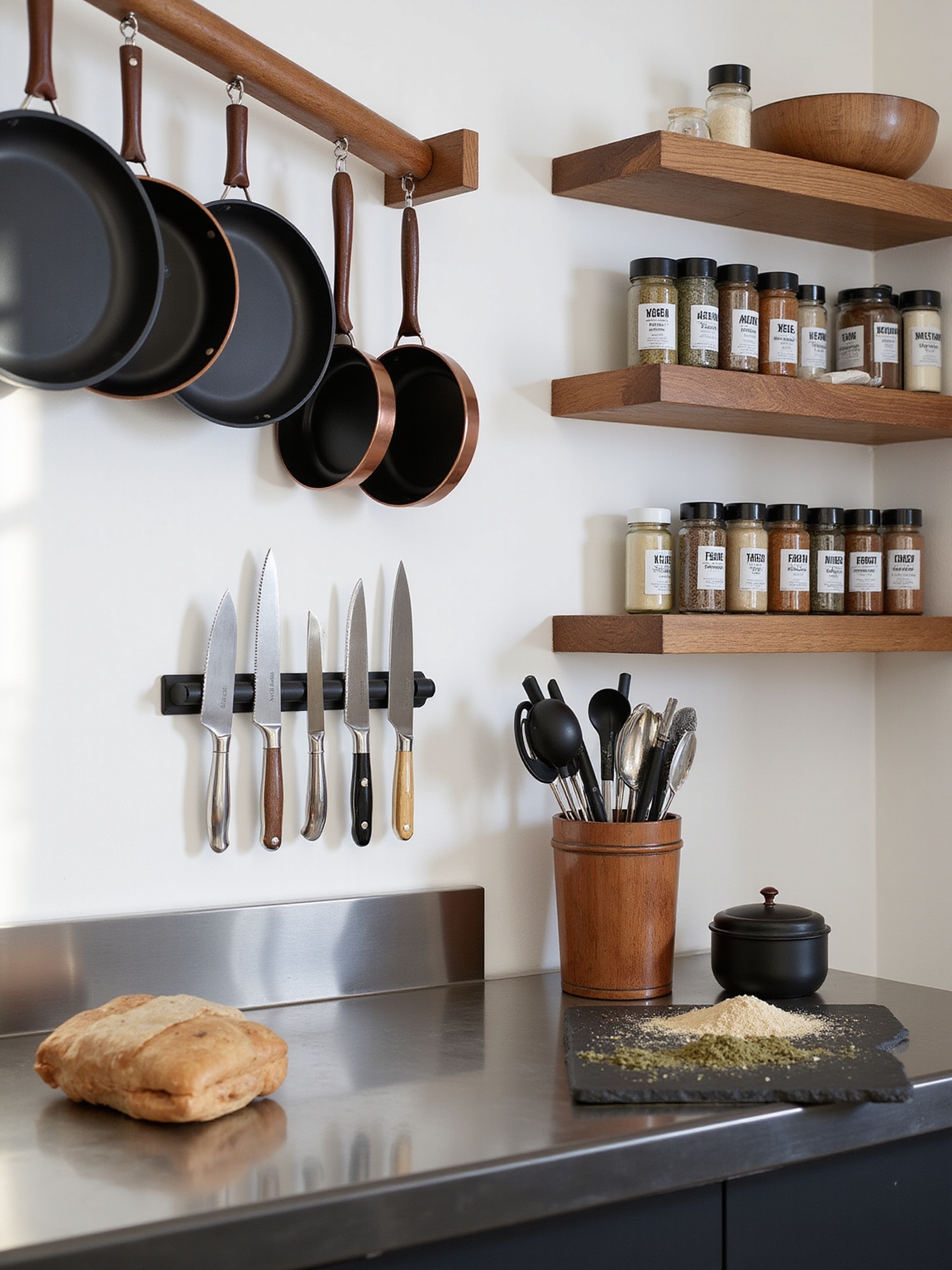
I like to set up my cooking station so everything I grab is exactly where I expect it to be: pans hung within arm’s reach, tools grouped by task, and spices organized by frequency of use.
I keep heavy skillets nearby, ladles and tongs on a magnetic strip, and daily spices fronted in labeled jars.
That rhythm saves time and keeps cooking calm and joyful.
Design a Fast-Cleaning Sink and Dishwasher Zone

Because dishes pile up fast after a meal, I’ve set my sink and dishwasher zone to make cleaning as quick and almost pleasant as cooking itself: a deep single-basin sink for soaking, a pull-down faucet for rinsing, a slim dish rack that slides over the sink when needed, and a dishwasher positioned so I can scrape, rinse, and load without backtracking.
- easy access soap dispenser
- scrub brush caddy
- towel hook nearby
- compost bin under sink
- clear counter landing space
Storage Systems Pros Use: Drawers, Pull-Outs, Shelves
I keep my best pans and bulky gadgets in deep drawers, because they give me easy access without kneeling or stacking chaos.
For those awkward corner cupboards and heavy platters, I’ve installed pull-out shelf systems that glide smoothly and put everything within reach.
Let me show you how these two simple fixes can make daily cooking feel effortless.
Deep Drawer Organization
Let’s plunge into deep drawers — I’ve come to rely on them for corralling bulky cookware, oversized gadgets, and those endless stacks of mixing bowls that never seem to fit on shelves.
I organize by function, visibility, and weight, so everything’s handy and tidy.
- Heavy pots together
- Nested bowls stacked
- Dividers for lids
- Utensil trays front
- Baking sheets upright
Pull-Out Shelf Systems
Pulling out a shelf feels like opening a secret drawer of order: I depend on pull-out shelf systems to make everything from canned goods to small appliances reachable and visible without kneeling or guessing.
They slide smoothly, save my back, and turn deep cabinets into tidy, accessible pantries. I favor wood-faced trays, soft-close slides, and adjustable heights for a cozy, practical kitchen that works.
Smart Food Storage: Labeling, Dating, and FIFO
Often I start by labeling everything I put away; it’s the small habit that stops mystery jars and forgotten leftovers from taking over.
I trust labels, dates, and FIFO to keep things fresh and tidy. Here’s how I do it:
- Label contents and date clearly
- Use clear bins for visibility
- Place newest items behind oldest
- Track opened shelf life
- Rotate weekly and toss as needed
Knife Care: Storage, Sharpening, and Safety
Let’s talk about the simple habits that keep your knives safe and sharp: where to store them, how to sharpen them, and how to handle them without risking a finger.
I’ll share practical storage options—magnetic strips, blocks, or sleeves—plus a few sharpening techniques that actually work at home.
Stick with me and you’ll keep your blades in good shape and your kitchen a safer place.
Proper Knife Storage
When I talk about knife care, storage is the first habit I insist you get right because the way you store blades affects their edge, safety, and the life of the knife.
I keep things simple, practical, and tidy for a busy kitchen.
- Magnetic strip, mounted at eye level
- Wooden block, ventilated
- In-drawer tray, secured
- Blade guards for transport
- Hang hooks for seldom-used knives
Sharpening Techniques
Because a sharp knife is the foundation of good cooking, I make sharpening a regular, simple habit rather than a chore. I keep a whetstone and honing rod nearby, stropping occasionally for a fine edge.
I start coarse, finish fine, maintain consistent angles, and work slowly until the bite returns. It’s meditative, practical, and keeps prep quick and joyful.
Safe Handling Practices
Though knives are tools of craft, they’re also hazards if you don’t treat them with respect, so I follow a few simple habits to keep myself and my kitchen safe.
I store, sharpen, and handle knives deliberately:
- Magnetic strip for easy reach and airflow
- Sheaths for drawer storage
- Regular honing before sharpening
- Sharp knives are safer knives
- Clean, dry immediately and never leave in sink
Spice Organization Chefs Actually Use
I keep my most-used spices within arm’s reach because in a busy kitchen you can’t afford to dig through drawers; I stick to a small, consistent set and rotate them by frequency of use.
I label tins, group by cuisine, and keep fresh herbs nearby. Clear jars, simple shelving, and a small tasting spoon make reaching for flavor effortless and joyful.
Small-Wares Strategy: Lids, Sheets, and Measuring Tools
After sorting spices by reach and rhythm, I turn the same practical eye to the small wares that keep a kitchen moving—lids, baking sheets, and measuring tools. I streamline them for speed and calm, so every grab feels natural.
- Nest lids by size on a pegboard
- Stack sheets by frequency
- Hang measuring cups
- Label jar tools
- Reserve a tray for drying
Bulk & Pantry Management With Clear Containers
Clear jars and labeled bins make the pantry feel like a small, useful grocery store, and I lean into that calm every time I refill or reach for something.
I sort grains, legumes, and baking staples by use and season, rotate stock with dates, and tuck scoops in containers.
Visibility and uniformity save time, reduce waste, and keep the space cozy and honest.
Mobile Prep Carts & Staging for Home Entertaining
A mobile prep cart becomes my little command post when guests arrive, rolling a compact kitchen and staging area right where the action is.
I tuck tools, plates, and finishes on it, moving smoothly between stove and table.
My simple checklist:
- Cutting board and knives
- Wine and glassware
- Platter and serving utensils
- Napkins and condiments
- Trash bowl and towels
Daily and Weekly Maintenance Rituals Pros Follow
I usually start my day with a five-minute sweep: wiping counters, stashing stray utensils, and making sure the sink’s clear so nothing escalates by dinner.
I check perishables, rotate stock, and jot a quick prep list.
Midweek I deep-clean the cutting boards, wipe pantry shelves, and sharpen knives.
These small rituals keep chaos out and cooking joyful.
Adapting Pro Systems to Small or Rental Kitchens
When space is tight or your lease limits what you can change, I lean on the same pro principles—zone cooking, vertical storage, and ruthless editing—but scale them so they actually fit your life.
I pick compact, removable solutions and keep only what I use.
- Magnetic knife strip
- Over-the-sink shelf
- Stackable bins
- Foldable prep board
- Command-hook pot rack
Actionable Checklist: 10 Swaps to Work Like a Pro
Although you mightn’t have a pro kitchen, I’ll show you ten practical swaps that get the same speed and order without fuss.
I trade cluttered drawers for labeled trays, mismatched tools for a pared-down set, glass jars for clear storage, flimsy sponges for sturdy cloths, awkward knives for a sharp, simple block, and scattered spices for a magnetic rack.
Small changes, big calm.
I’ve shown you how to set up flowing stations, how to prep with purpose, how to cook with rhythm, how to clean with speed, and how to adapt with creativity — now it’s your turn.
Start small, swap one habit, rearrange one shelf, roll in one cart, and watch your kitchen work for you.
Keep it simple, keep it sensible, and keep it soulful; when you cook with a plan, you cook with joy.